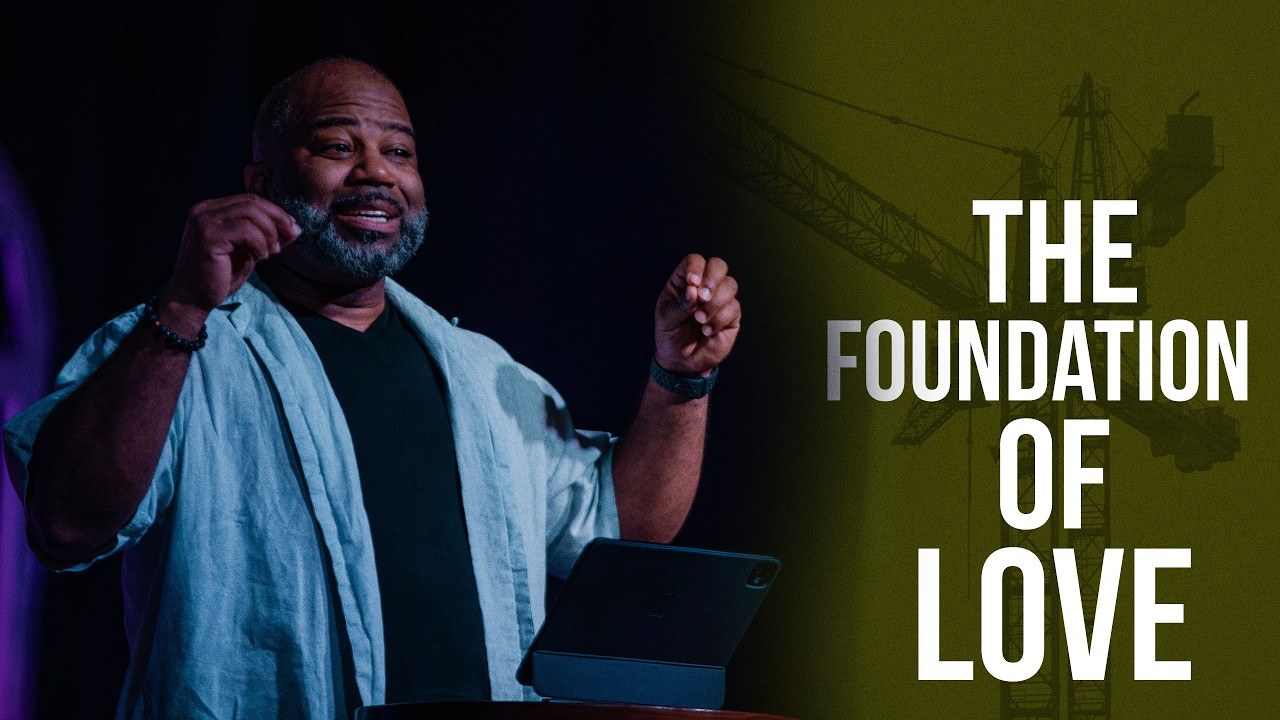

In the third week of “The Love Dance” series, the focus shifts to The Singleness Dance. Building on the foundation that marriage is a divine image of Christ and the Church, this message explores the equally vital truth that singleness and marriage are both spiritual gifts for the kingdom, and neither is superior to the other.
Singleness is not a “second-class” status or a state of brokenness; it is a position of high value and dignity. Paul, who was himself single, provides wisdom—not a rigid command—suggesting that remaining single allows a person to be spared from the “worldly troubles” that naturally accompany marriage. In the Church, singleness should be celebrated as a valid and powerful calling rather than a “waiting room” for marriage.
A key truth from 1 Corinthians 7 is that singleness is a charism —a spiritual empowerment or gift given by God to accomplish His specific purposes. Whether this gift is for a temporary season or a permanent calling, it is a mission field. The sermon highlights three distinct advantages of the singleness dance:
- Freedom: The ability to make radical, kingdom-oriented decisions without the complexities of managing a household or a spouse’s needs.
- Focus: An unmarried person can offer “undivided devotion” to the Lord. While married people must juggle godly but competing desires (like pleasing a spouse), singles have the capacity to be single-minded in their service to God.
- Flexibility: The capacity to say “yes” to risky, last-minute, or intense ministry opportunities without weighing the cost to a family.
The message also serves as a sharp rebuke to the modern culture of “cohabitation” and “married people stuff” outside of marriage. Engaging in the sexual or domestic benefits of marriage while remaining single is a distortion of God’s plan and prevents individuals from fully utilizing the spiritual advantages of their current season.
Finally, the secret to the singleness dance is contentment. Contentment is not the absence of desire for marriage, but the active enjoyment of God’s goodness in the “now.” Just as Paul learned to be content in every circumstance—whether in plenty or in want—believers are called to find their ultimate satisfaction in Christ today, rather than in the hope of a future wedding.