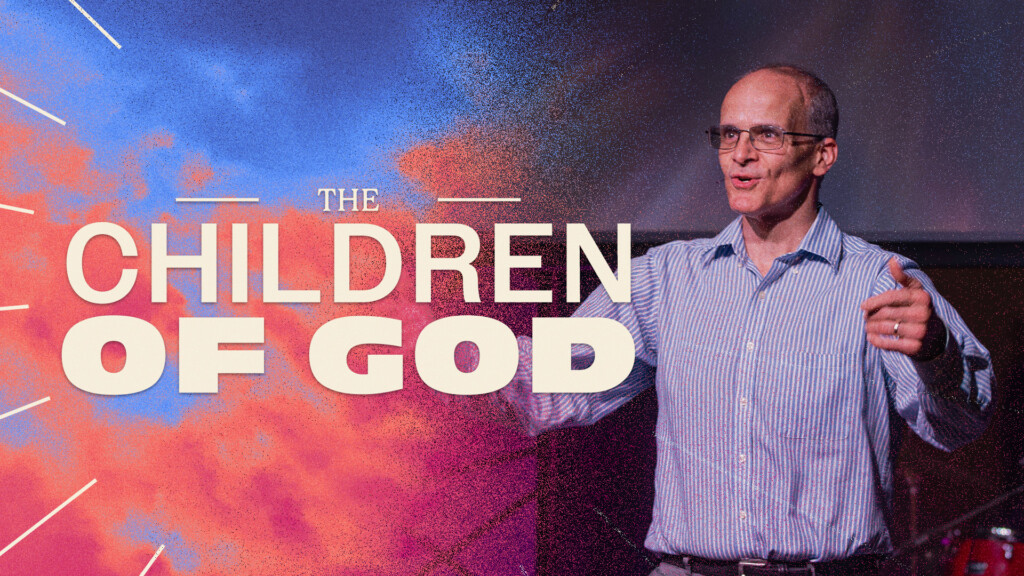
To be a believer is to hold the status of a child of God. This identity is not merely a title but a spiritual reality based on three foundational truths: we have the right to become children through belief in Jesus (John 1:12), the Holy Spirit confirms this relationship to our own spirits (Romans 8:16), and this status is a result of the Father’s lavish, outpouring love (1 John 3:1). As God’s children, we have the inheritance and the right to call Him “Abba”—an intimate term for “Daddy.”
Jesus demonstrated the priority of children during His ministry, rebuking the disciples who saw them as a hindrance. He taught that the Kingdom of Heaven belongs to those with simple, childlike faith. In the Kingdom, children are never a distraction from the work; they are the most important work. This necessitates an investment from the entire body of believers—whether through direct ministry, service, or prayer—to ensure the next generation is raised to know the Lord.
A profound danger for any child of God is the “lack of knowledge.” Based on Hosea 4:6, God’s people are destroyed when they reject His law. It is possible to know the Bible—to read it, memorize it, and study its history—without truly knowing the Living Word, Jesus Christ. To bridge this gap, a believer must move from being a “baby in Christ” to a mature disciple by developing a desperate craving for spiritual milk.
The Word of God is active and purposeful; it never returns empty but accomplishes exactly what God intends (Isaiah 55:11). To live as an effective child of God, one must move through a progressive cycle of engagement with Scripture:
- Read the Word: Engage with the text daily to hear God’s voice.
- Grow in the Word: Allow faith to come through consistent hearing.
- Memorize the Word: Hide the truth in the heart to combat suffering and temptation.
- Teach the Word: Share the truth with others to deepen personal understanding.
- Pray the Word: Use Scripture as the foundation for communication with God.
- Live the Word: Avoid self-deception by being a “doer” of what is written (James 1:22).